
Where Depth Defines Delivery.

We don't operate everywhere. We operate in four infrastructure sectors and five health, wellness, and personal care categories - not because those are the only places where advisory support is needed, but because they are where our expertise is most acute, our networks run deepest, and the difference between good advice and a delivered outcome is most acutely felt.

Great outcomes don't happen by accident in any sector. They happen because someone understood the terrain - and took personal ownership of the journey.

Our approach never changes with the sector. What changes is our application of it - the regulatory frameworks we navigate, the advisory teams we coordinate, the stakeholder landscapes we manage. The discipline, the ownership, and the commitment to the outcome remain constant. Across infrastructure projects and product development journeys alike, our role is always the same: to serve as the central integrator, holding every workstream together from the first engagement to the final milestone.

That is the choice we made. That is the commitment we keep.

Deliberate focus.
Deep expertise.

We don't operate broadly across all sectors. We operate where our expertise is deepest - where complexity is structural, regulatory frameworks are demanding, and the consequences of poor coordination are felt by communities and consumers alike. Our sector focus is a deliberate choice, not a portfolio.

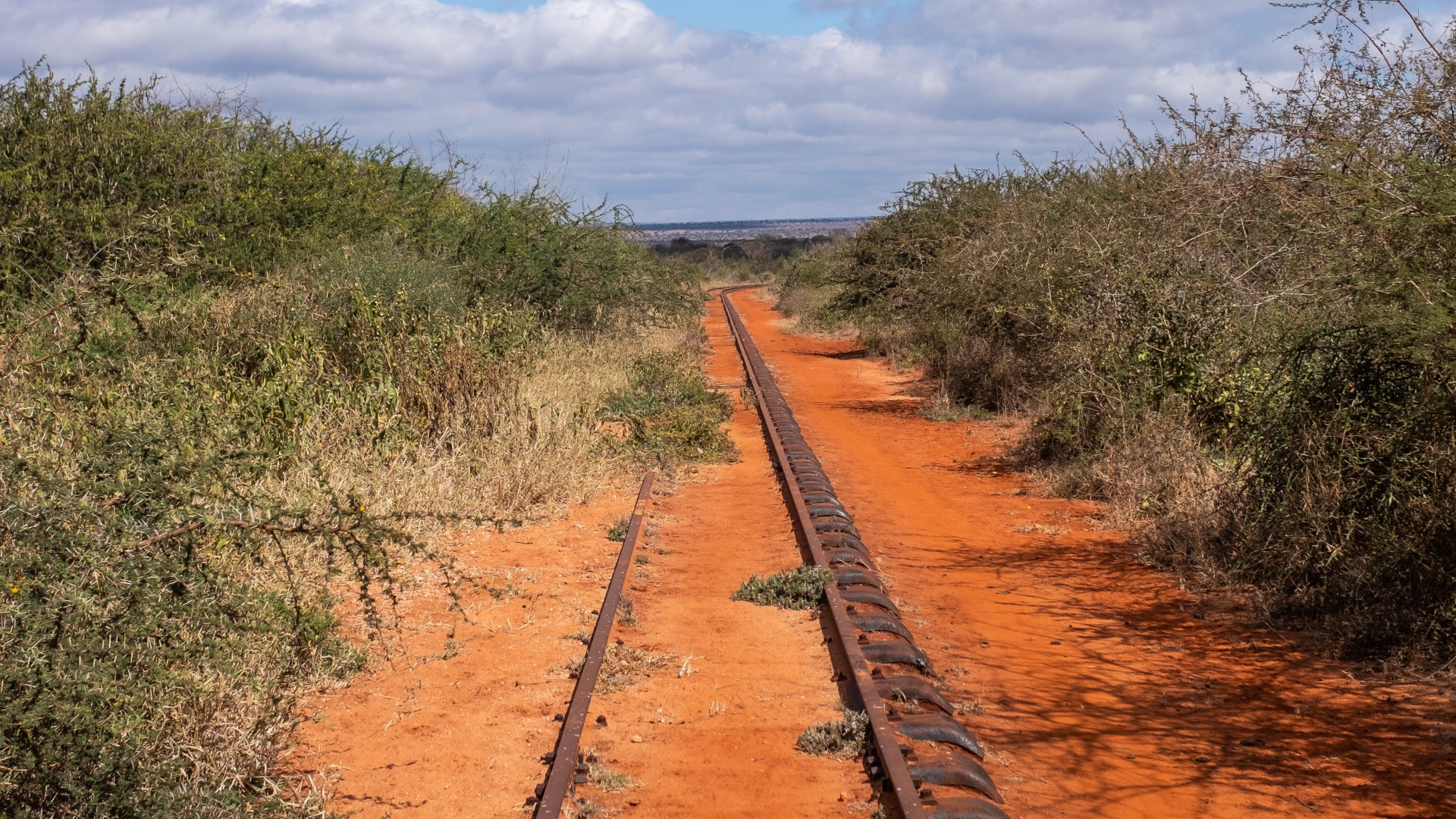
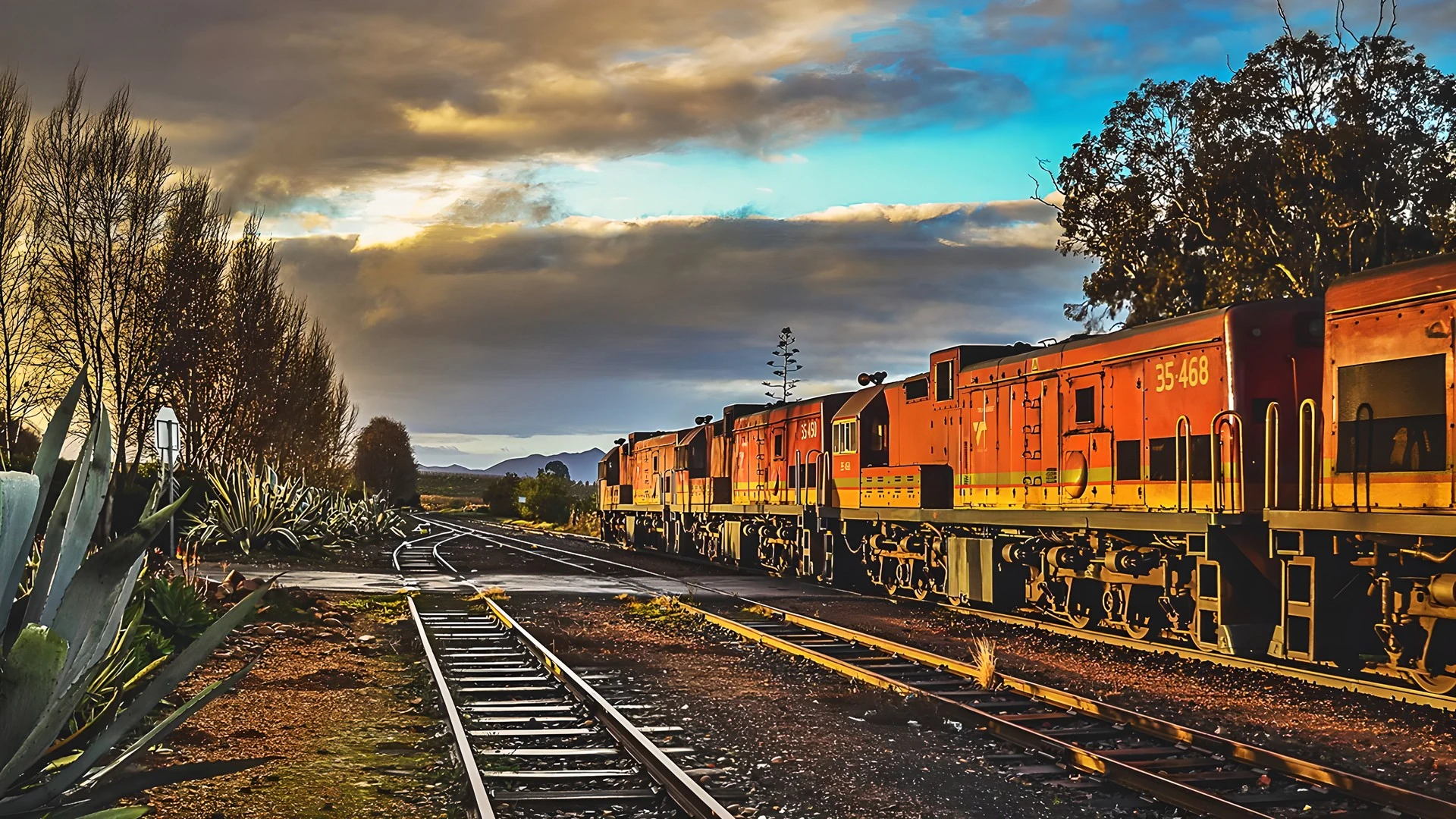
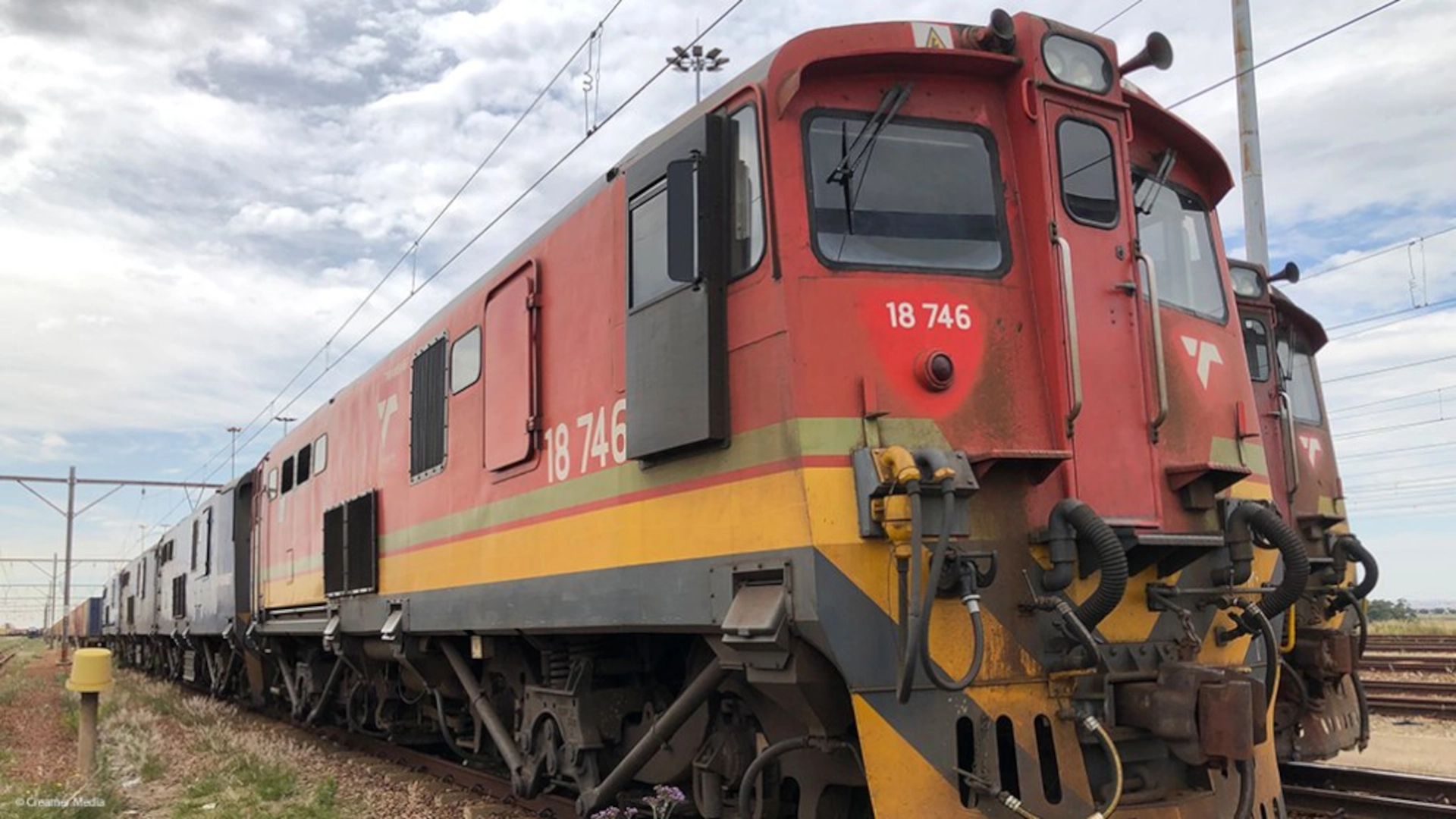
Four infrastructure sectors - transport and logistics, energy, water and sanitation, and the built environment. Each defined by structural complexity, demanding procurement frameworks, and the kind of multi-workstream advisory challenge where coordination failure has consequences that extend well beyond the project itself.

Project advisory infrastructure sectors in South Africa
Ready to engage?

Know which sector you're working in?
Let's talk about what's possible.

Whether you're developing infrastructure or bringing a product to market, we'd like to understand your challenge and show you what integrated advisory looks like in practice.

Get In Touch

Tracking the ideas, developments, and conversations that shape the industries we work in.

South Africa Moves 80% of General Freight by Road. That Is Not a Market Choice. It Is a System Failure.

Stabilising bulk export corridors was the right place to start - but it cannot be where the reform story ends. General freight will never move efficiently on rail alone. What manufacturing, automotive and agri-processing supply chains need is a seamless multimodal network where road, rail and port operate as one integrated system, not as separate silos. Fixing this is not a rail problem. It is a network problem, and it demands a network solution.

South Africa’s Freight Reform: The Plans Are Done. Now Comes the Hard Part.

Reform is real - Operation Vulindlela, third-party access, the NRMP. The direction is right. But progress is not the same as execution. The Rail Bill must now deliver the legal architecture that turns intent into action, and private capital will not move without the governance structures to back it. The hard yards are not behind us. They are in front of us.

South Africa’s Draft National Rail Master Plan: A Turning Point for Freight

Rail once drove 4% of South Africa's GDP. Today it contributes less than 0.1%. The Draft National Rail Master Plan sets out to reverse that decline — through open access, infrastructure reform, and a R1.9 trillion investment framework. The decisions made in the next 12 to 24 months will shape this country's freight system for decades. Read it. Comment on it. Engage.

South Africa Moves 80% of General Freight by Road. That Is Not a Market Choice. It Is a System Failure.

Stabilising bulk export corridors was the right place to start - but it cannot be where the reform story ends. General freight will never move efficiently on rail alone. What manufacturing, automotive and agri-processing supply chains need is a seamless multimodal network where road, rail and port operate as one integrated system, not as separate silos. Fixing this is not a rail problem. It is a network problem, and it demands a network solution.

South Africa’s Freight Reform: The Plans Are Done. Now Comes the Hard Part.

Reform is real - Operation Vulindlela, third-party access, the NRMP. The direction is right. But progress is not the same as execution. The Rail Bill must now deliver the legal architecture that turns intent into action, and private capital will not move without the governance structures to back it. The hard yards are not behind us. They are in front of us.

South Africa’s Draft National Rail Master Plan: A Turning Point for Freight

Rail once drove 4% of South Africa's GDP. Today it contributes less than 0.1%. The Draft National Rail Master Plan sets out to reverse that decline — through open access, infrastructure reform, and a R1.9 trillion investment framework. The decisions made in the next 12 to 24 months will shape this country's freight system for decades. Read it. Comment on it. Engage.

Panellists discuss the progress made in rail reform and possible future actions

As South Africa’s freight system sits at a critical crossroads, with logistics costs estimated at between 11% and 12%, inefficiencies no longer just pose operational challenges, but create a direct constraint on economic growth.