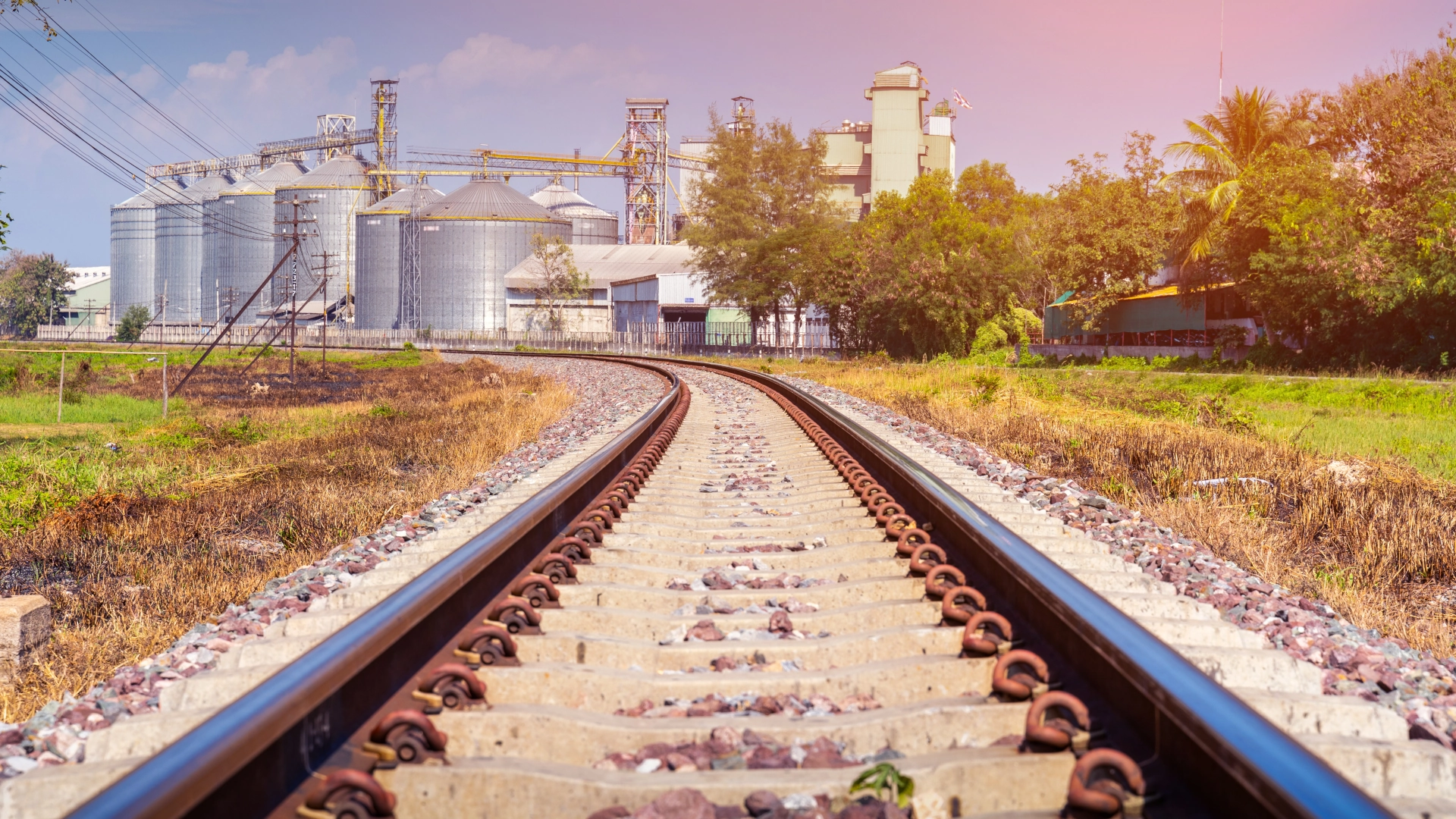
South Africa Moves 80% of General Freight by Road. That Is Not a Market Choice. It Is a System Failure.
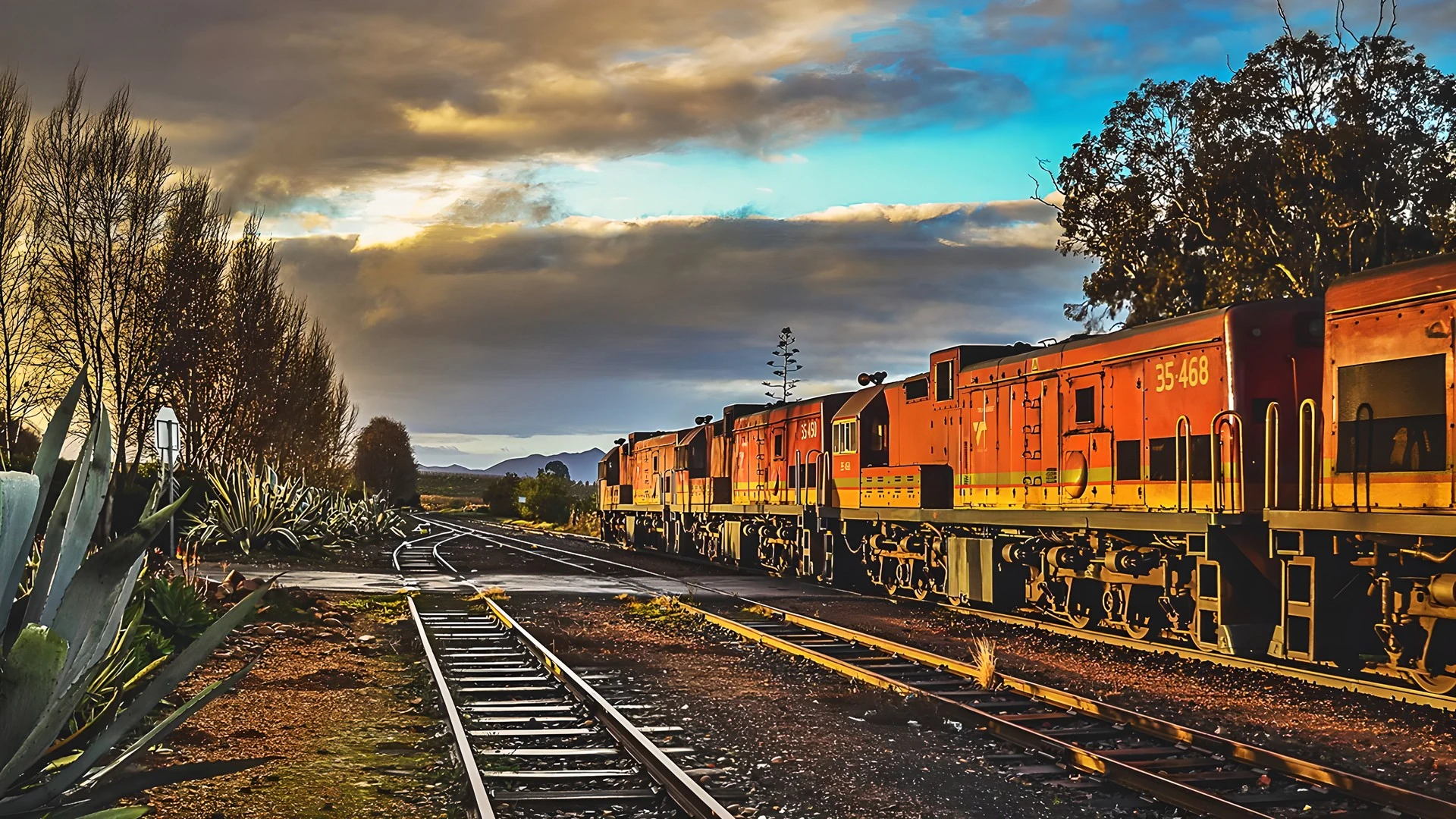
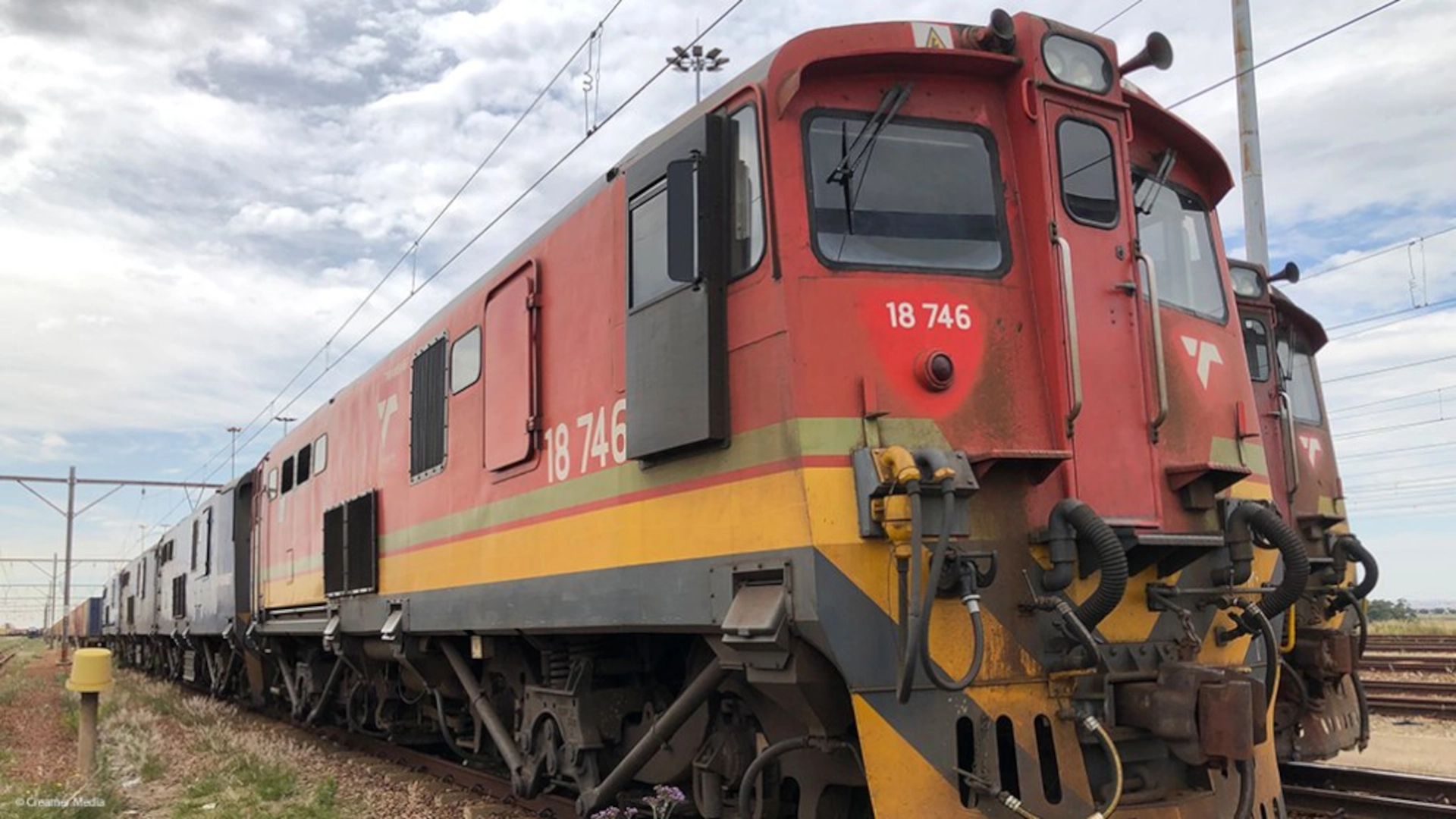
Stabilising bulk export corridors was the right place to start - but it cannot be where the reform story ends. General freight will never move efficiently on rail alone. What manufacturing, automotive and agri-processing supply chains need is a seamless multimodal network where road, rail and port operate as one integrated system, not as separate silos. Fixing this is not a rail problem. It is a network problem, and it demands a network solution.
South Africa’s Freight Reform: The Plans Are Done. Now Comes the Hard Part.
Reform is real - Operation Vulindlela, third-party access, the NRMP. The direction is right. But progress is not the same as execution. The Rail Bill must now deliver the legal architecture that turns intent into action, and private capital will not move without the governance structures to back it. The hard yards are not behind us. They are in front of us.
South Africa’s Draft National Rail Master Plan: A Turning Point for Freight
Rail once drove 4% of South Africa's GDP. Today it contributes less than 0.1%. The Draft National Rail Master Plan sets out to reverse that decline — through open access, infrastructure reform, and a R1.9 trillion investment framework. The decisions made in the next 12 to 24 months will shape this country's freight system for decades. Read it. Comment on it. Engage.
Panellists discuss the progress made in rail reform and possible future actions
As South Africa’s freight system sits at a critical crossroads, with logistics costs estimated at between 11% and 12%, inefficiencies no longer just pose operational challenges, but create a direct constraint on economic growth.
More than a sponsorship - this partnership with SA Rugby is built on shared values, trust, and a commitment to credible performance. An invitation to #UpYourStandards.
SA Rugby announced on Thursday that Biogen has joined its family of partners after signing a three-year sponsorship agreement, which sees the premium wellness brand landing the vitamins and sports nutrition partnership to the Springboks, Springbok Women, as well as the national sevens and U20 teams.
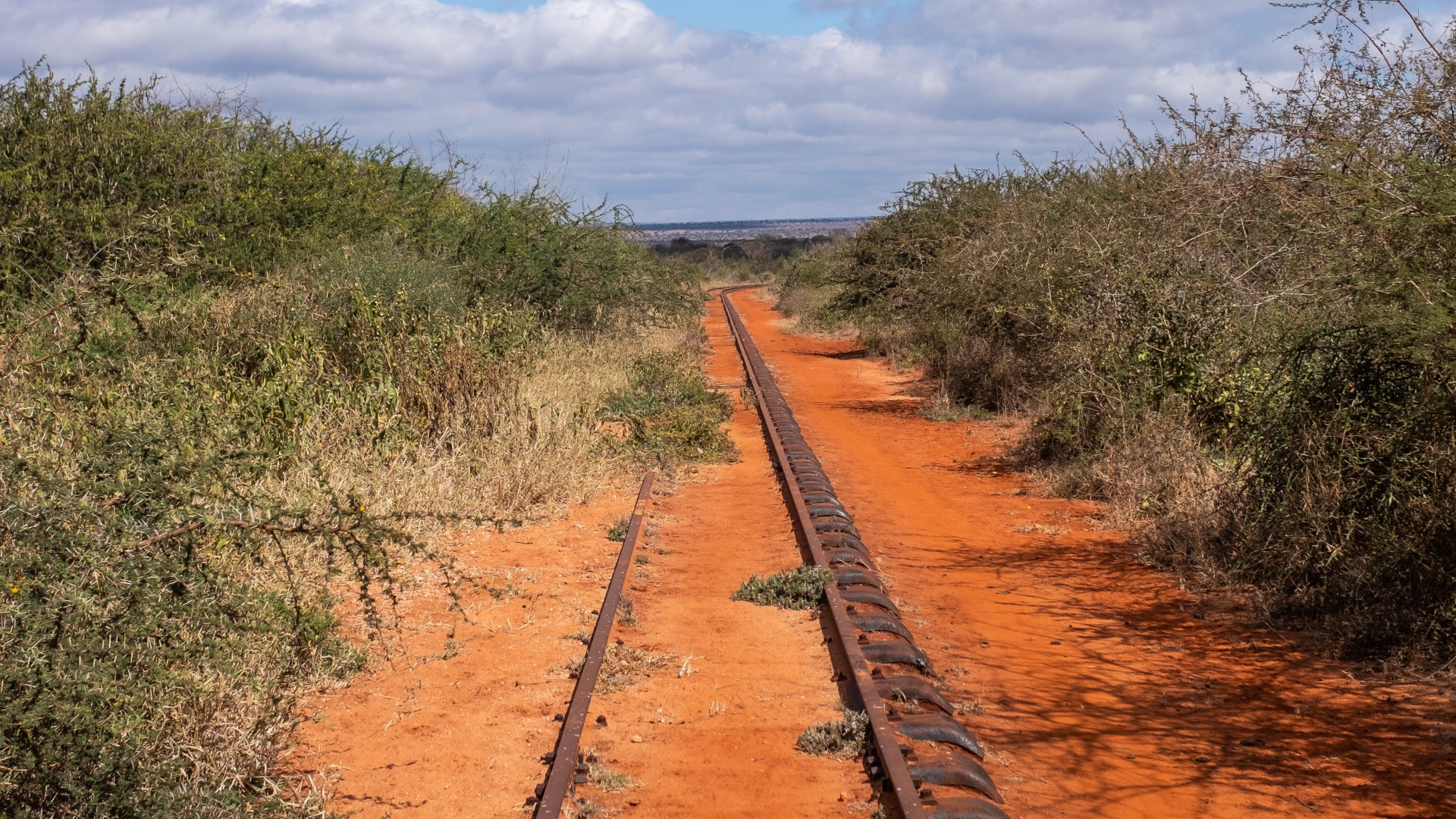
The State of Railway Infrastructure in South Africa
South Africa’s rail network reflects stark contrasts in asset condition and operational resilience across freight, commuter, and rapid transit systems.
More than a sponsorship - this partnership with SA Rugby is built on shared values, trust, and a commitment to credible performance. An invitation to #UpYourStandards.
SA Rugby announced on Thursday that Biogen has joined its family of partners after signing a three-year sponsorship agreement which sees the premium wellness brand landing the vitamins and sports nutrition partnership to the Springboks, Springbok Women, as well as the national sevens and U20 teams.
SA Rugby announced on Thursday that Biogen has joined its family of partners after signing a three-year sponsorship agreement, which sees the premium wellness brand landing the vitamins and sports nutrition partnership to the Springboks, Springbok Women, as well as the national sevens and U20 teams.
South Africa Dietry Supplements Market Size & Outlook, 2030 – Grand View Research
The South African dietary supplements market generated revenue of USD 1,260.0 million in 2024 and is projected to reach USD 2,110.3 million by 2030, growing at a compound annual growth rate of 9% over the forecast period.
Vitamins represent the largest segment by revenue, while proteins and amino acids are identified as the fastest-growing ingredient category. Key growth drivers include rising health and wellness awareness among South African consumers, growing demand among millennials, and increased government focus on educating the public about the benefits of dietary supplementation. Notably, South Africa's status as the country with the highest obesity rate in Sub-Saharan Africa has also attracted manufacturers and suppliers targeting health-conscious consumers in the market.
South Africa currently accounts for approximately 0.7% of the global dietary supplements market and is projected to lead the Middle East & Africa region in terms of revenue by 2030.
South Africa Nutraceuticals Market Size & Share Analysis – Growth Trends and Forecast (2026–2031) | Mordor Intelligence
The South African nutraceuticals market is valued at USD 4.46 billion in 2025 and is projected to reach USD 5.82 billion by 2031, growing at a CAGR of 4.55%. Dietary supplements hold the largest product share at 44.45%, driven by widespread micronutrient deficiencies in the population, while functional beverages are the fastest-growing segment at 5.78% CAGR, buoyed by demand in the sports nutrition space.
Key growth drivers include an aging population increasingly seeking preventative health solutions, a rising incidence of lifestyle diseases such as obesity and diabetes, and a marked consumer shift toward natural and plant-based products. These trends are reinforced by government-led nutrition initiatives, including the Integrated Nutrition Programme and National Nutrition Week campaigns.
On the distribution side, supermarkets and hypermarkets dominate with a 31.05% share, while online retail is the fastest-growing channel at 6.08% CAGR, reflecting a digitally confident consumer base. The competitive landscape remains moderately fragmented, with both multinational players such as Nestlé and Cipla, and agile local brands, competing for market share.
South Africa Cosmetics and Personal Care Products Market Size & Share Analysis – Growth Trends and Forecast (2026–2031) | Mordor Intelligence
The South African cosmetics and personal care products market is valued at USD 4.2 billion in 2026 and is projected to reach USD 5.58 billion by 2031, growing at a CAGR of 5.84%. Personal care products dominate with an 89.78% market share, while the cosmetics and make-up segment is forecast to grow at the fastest rate of 6.24% CAGR through 2031.
Mass-market products account for 85.62% of the market, reflecting the price-conscious nature of many South African consumers, though the premium segment is gaining momentum at a 6.69% CAGR, driven by rising disposable incomes, luxury retail expansion, and the influence of social media and beauty influencers. In terms of ingredients, conventional and synthetic formulations still dominate at 74.92% market share, but natural and organic alternatives are the fastest-growing category at 6.9% CAGR. Supermarkets and hypermarkets lead distribution with a 39.95% share, while online retail is advancing at an 8.01% CAGR - the fastest of any channel.
Key growth drivers include rising urbanisation, a growing men's grooming segment, increased e-commerce penetration, and shifting consumer preference toward cleaner, more sustainable formulations.
South Africa Moves 80% of General Freight by Road. That Is Not a Market Choice. It Is a System Failure.
Stabilising bulk export corridors was the right place to start - but it cannot be where the reform story ends. General freight will never move efficiently on rail alone. What manufacturing, automotive and agri-processing supply chains need is a seamless multimodal network where road, rail and port operate as one integrated system, not as separate silos. Fixing this is not a rail problem. It is a network problem, and it demands a network solution.
South Africa’s Freight Reform: The Plans Are Done. Now Comes the Hard Part.
Reform is real - Operation Vulindlela, third-party access, the NRMP. The direction is right. But progress is not the same as execution. The Rail Bill must now deliver the legal architecture that turns intent into action, and private capital will not move without the governance structures to back it. The hard yards are not behind us. They are in front of us.
South Africa’s Draft National Rail Master Plan: A Turning Point for Freight
Rail once drove 4% of South Africa's GDP. Today it contributes less than 0.1%. The Draft National Rail Master Plan sets out to reverse that decline — through open access, infrastructure reform, and a R1.9 trillion investment framework. The decisions made in the next 12 to 24 months will shape this country's freight system for decades. Read it. Comment on it. Engage.
Panellists discuss the progress made in rail reform and possible future actions
As South Africa’s freight system sits at a critical crossroads, with logistics costs estimated at between 11% and 12%, inefficiencies no longer just pose operational challenges, but create a direct constraint on economic growth.
More than a sponsorship - this partnership with SA Rugby is built on shared values, trust, and a commitment to credible performance. An invitation to #UpYourStandards.
SA Rugby announced on Thursday that Biogen has joined its family of partners after signing a three-year sponsorship agreement, which sees the premium wellness brand landing the vitamins and sports nutrition partnership to the Springboks, Springbok Women, as well as the national sevens and U20 teams.
South Africa Moves 80% of General Freight by Road. That Is Not a Market Choice. It Is a System Failure.
Stabilising bulk export corridors was the right place to start - but it cannot be where the reform story ends. General freight will never move efficiently on rail alone. What manufacturing, automotive and agri-processing supply chains need is a seamless multimodal network where road, rail and port operate as one integrated system, not as separate silos. Fixing this is not a rail problem. It is a network problem, and it demands a network solution.
South Africa’s Freight Reform: The Plans Are Done. Now Comes the Hard Part.
Reform is real - Operation Vulindlela, third-party access, the NRMP. The direction is right. But progress is not the same as execution. The Rail Bill must now deliver the legal architecture that turns intent into action, and private capital will not move without the governance structures to back it. The hard yards are not behind us. They are in front of us.
South Africa’s Draft National Rail Master Plan: A Turning Point for Freight
Rail once drove 4% of South Africa's GDP. Today it contributes less than 0.1%. The Draft National Rail Master Plan sets out to reverse that decline — through open access, infrastructure reform, and a R1.9 trillion investment framework. The decisions made in the next 12 to 24 months will shape this country's freight system for decades. Read it. Comment on it. Engage.
Panellists discuss the progress made in rail reform and possible future actions
As South Africa’s freight system sits at a critical crossroads, with logistics costs estimated at between 11% and 12%, inefficiencies no longer just pose operational challenges, but create a direct constraint on economic growth.
More than a sponsorship - this partnership with SA Rugby is built on shared values, trust, and a commitment to credible performance. An invitation to #UpYourStandards.
SA Rugby announced on Thursday that Biogen has joined its family of partners after signing a three-year sponsorship agreement, which sees the premium wellness brand landing the vitamins and sports nutrition partnership to the Springboks, Springbok Women, as well as the national sevens and U20 teams.






South Africa Moves 80% of General Freight by Road. That Is Not a Market Choice. It Is a System Failure.