
Where Structure Meets Scale.

You have the advisors. You have the expertise. What you may not have is someone holding it all together.

Large infrastructure projects require technical, legal, financial, commercial, and ESG workstreams to move in concert, across public and private stakeholders, multilateral funders, regulatory bodies, and communities whose lives depend on the outcome. When no one owns that integration, workstreams drift, interdependencies get missed, and the gap between good advice and successful delivery widens.

That is the gap Tigaline exists to close. Our role is to serve as the central integrator across your entire advisory landscape, applying project management rigour within each workstream and programme management discipline across them, with an unwavering commitment to delivery. We adapt our approach to your specific transaction frameworks and requirements. You focus on strategic direction and the stakeholders who matter most. We drive the engagement from inception to financial close.

Great infrastructure doesn't happen by accident. It happens because someone took ownership of the process.

That is what we do.

Four sectors. One approach.
Applied where the stakes are highest.

We don't operate everywhere. We operate where we know the terrain deeply - where complexity is structural, regulatory frameworks are demanding, and the consequences of poor coordination are felt by communities, not just project owners. Transport and logistics, energy, water and sanitation, and the built environment are deliberate choices. They are the sectors where the integration challenge is most acute, where your advisory landscape is most fragmented, and where the gap between good advice and successful delivery is widest. They are also the sectors where our approach, our networks, and our track record run deepest.

Transport & Logistics
Connecting people, goods, and opportunity

South Africa's road, rail, port, and freight networks are under significant strain - the result of decades of underinvestment, deferred maintenance, and fragmented planning. For project developers, this creates opportunity and complexity in equal measure. The pipeline is real: freight corridor revitalisation, public transport expansion, private sector participation in logistics hubs and intermodal facilities. But the path from opportunity to financial close is long, process-intensive, and unforgiving of coordination failures.

Developing in this sector means navigating simultaneous technical, legal, commercial, environmental, and social workstreams - within procurement frameworks that are among the most regulated in the public sector. A gap between advisors, a missed interdependency between your commercial structure and your regulatory approvals, or a sequencing error in procurement can stall a project for months. The complexity is structural. Managing it requires more than good advisors - it requires someone holding all of them together.

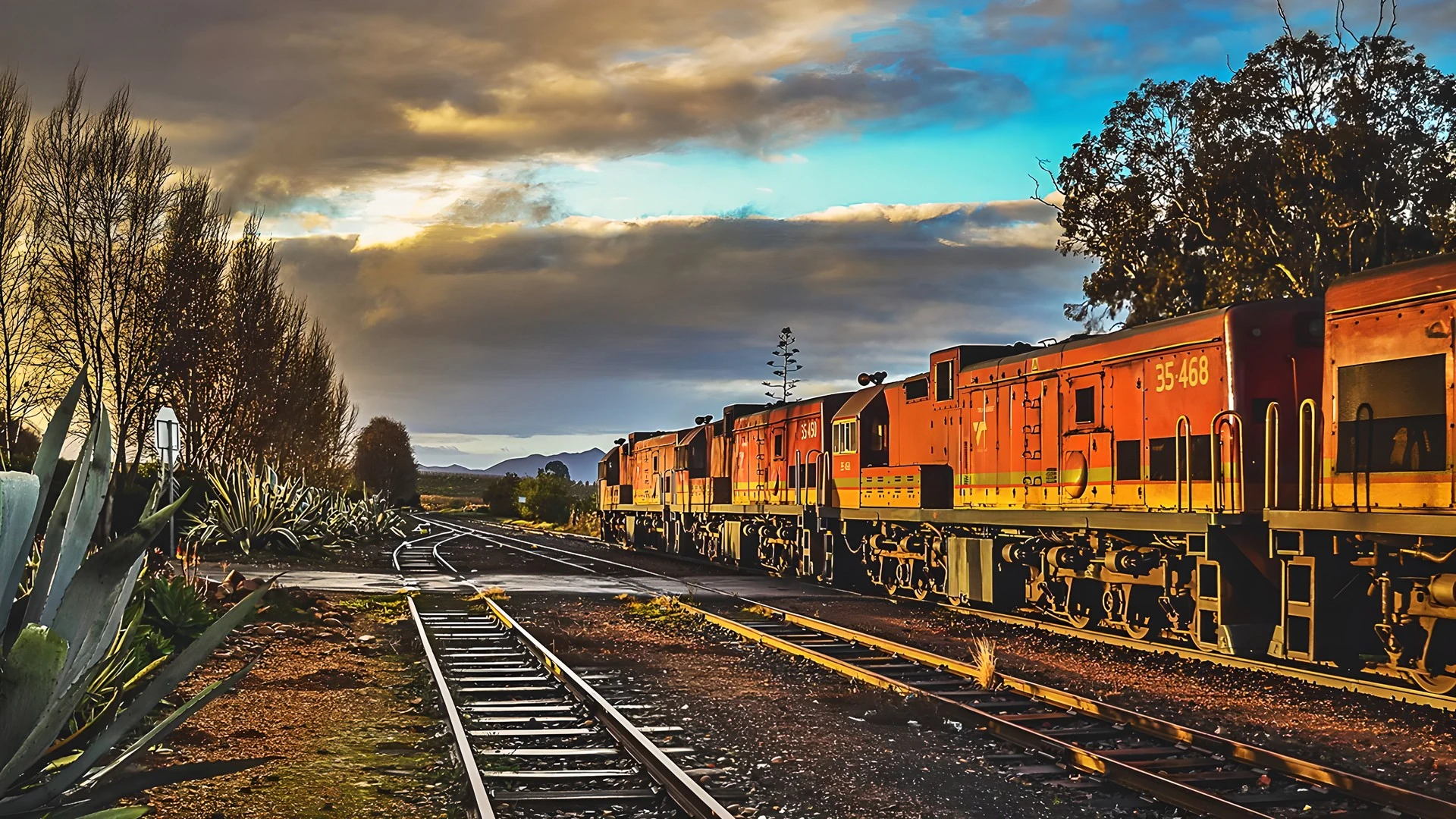
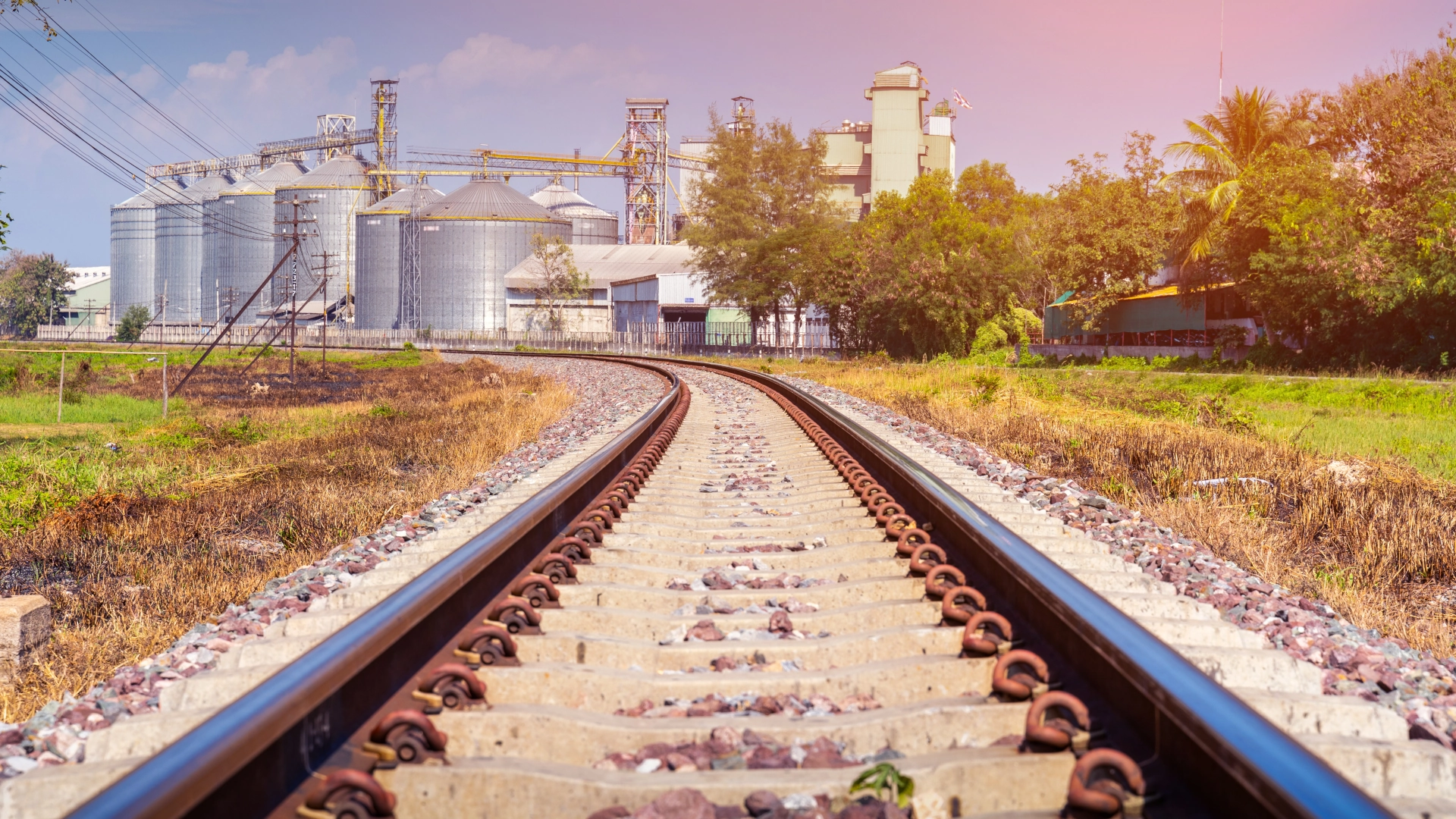
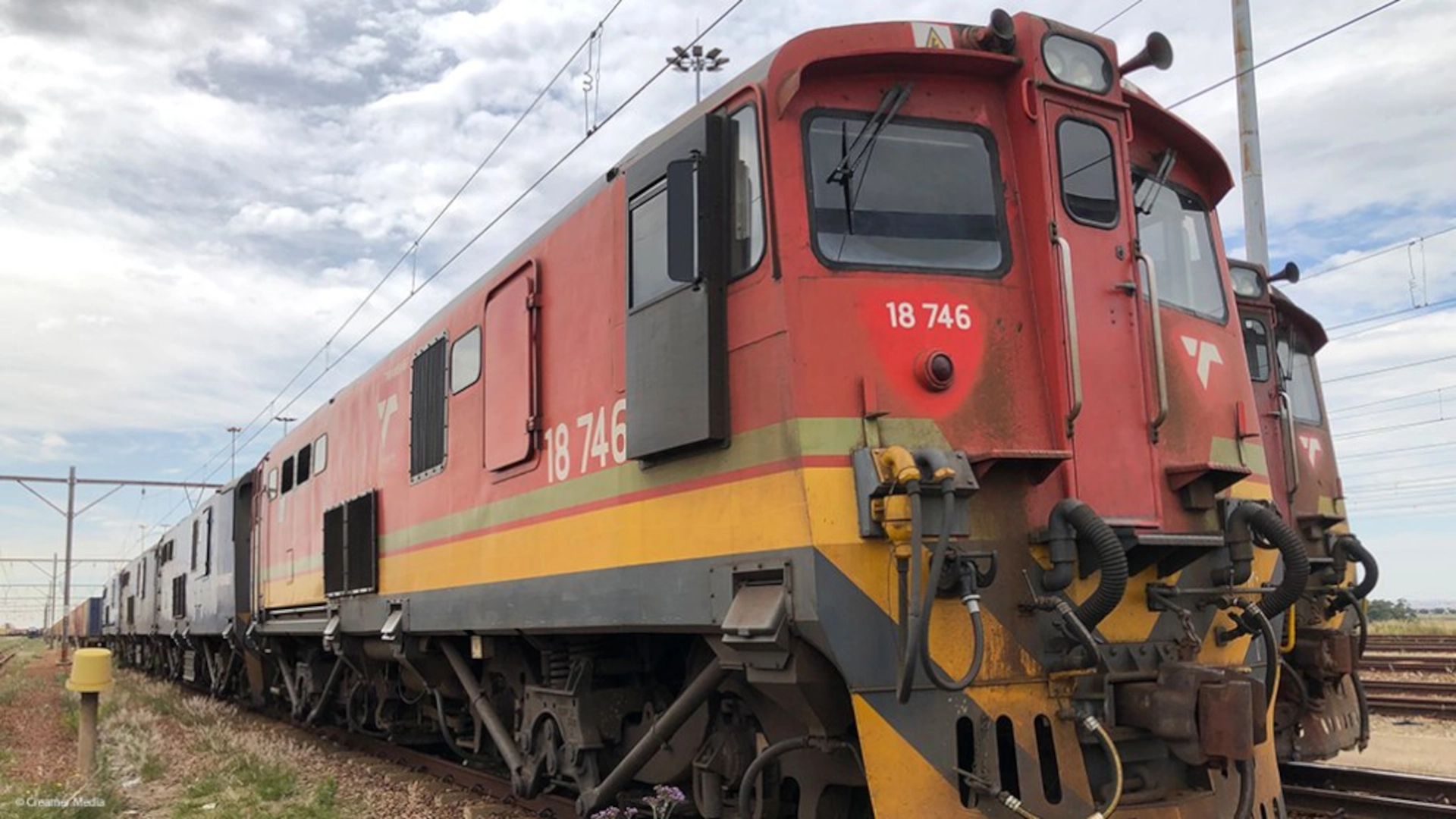
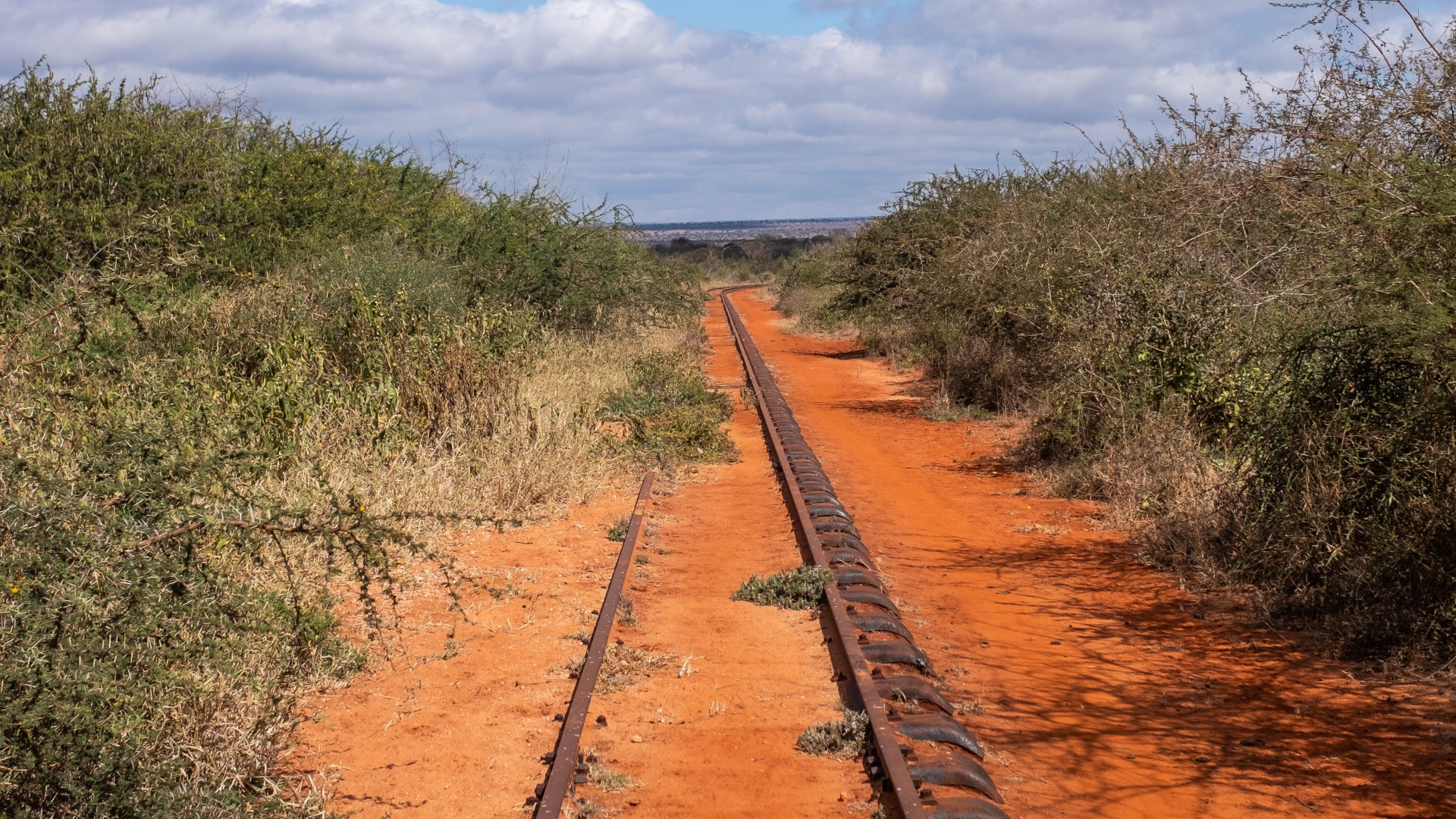
Transport and logistics infrastructure in South Africa
Energy
Powering a just and sustainable transition

South Africa's energy transition is accelerating, and the project pipeline reflects it. Solar, wind, battery storage, and green hydrogen are attracting growing domestic and international capital, and independent power producers are playing an expanding role in the energy mix. But for the project developer, opportunity and complexity arrive together. Energy projects are among the most demanding infrastructure undertakings in any economy, and the margin for coordination failure is thin.

Regulatory licensing, grid connection, environmental approvals, procurement, financial structuring, and DFI engagement must all advance simultaneously - each feeding into a financial model where a delay or misalignment in any single workstream is felt directly in your bankability. Your legal advisors are negotiating the PPA while your financial advisors are structuring the debt while your technical team is finalising the generation design. When those workstreams are not actively integrated, the gaps become the risk - and the risk becomes your problem.
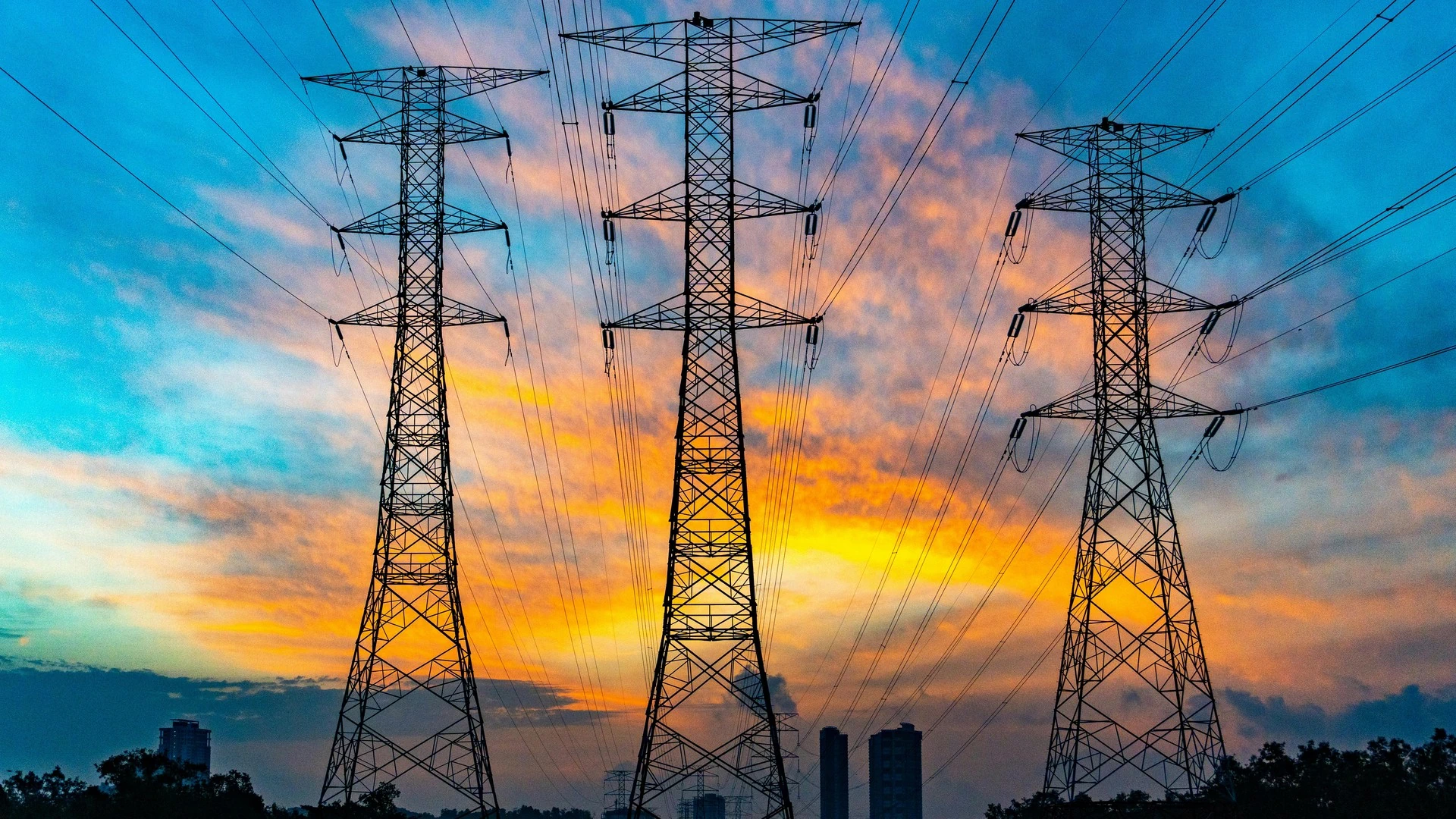
Energy and renewable energy infrastructure in South Africa
Water & Sanitation
Delivering one of the most fundamental rights of all

Access to clean water and adequate sanitation is a constitutional right in South Africa, and one of the country's most urgent infrastructure imperatives. For project developers, the funding landscape is evolving - with credible pathways emerging through innovative financing models and regional bulk water schemes. But the institutional and regulatory environment in which these projects must be developed is among the most complex in the public sector.

You are likely navigating multiple government tiers that do not always move at the same pace or speak with a single voice. Your funding structure may involve national grants, DFI debt, and municipal contributions - each with its own requirements and timelines. Technical, legal, and financial workstreams must be coordinated against a backdrop of community accountability that raises the stakes of every decision. The projects that reach financial close are those where someone held that complexity together from the start.

Water and sanitation infrastructure in South Africa
Built Environment
Shaping the spaces where South Africa lives, works, and grows

Demand for quality built environment development is growing across multiple fronts - affordable housing, mixed-use and transit-oriented development, public facilities, and commercial space. The opportunity is significant. So is the challenge. Built environment projects in South Africa carry both commercial objectives and social imperatives, and the stakeholder landscape reflects it.

As a developer, you are navigating planning authorities, environmental approvals, funding institutions, community representatives, and multiple technical and commercial advisors - often simultaneously, over project lifecycles that span years. Keeping that breadth of workstreams aligned, procurement defensible, and momentum intact through planning, approvals, and close demands an integration discipline that goes well beyond conventional project management.
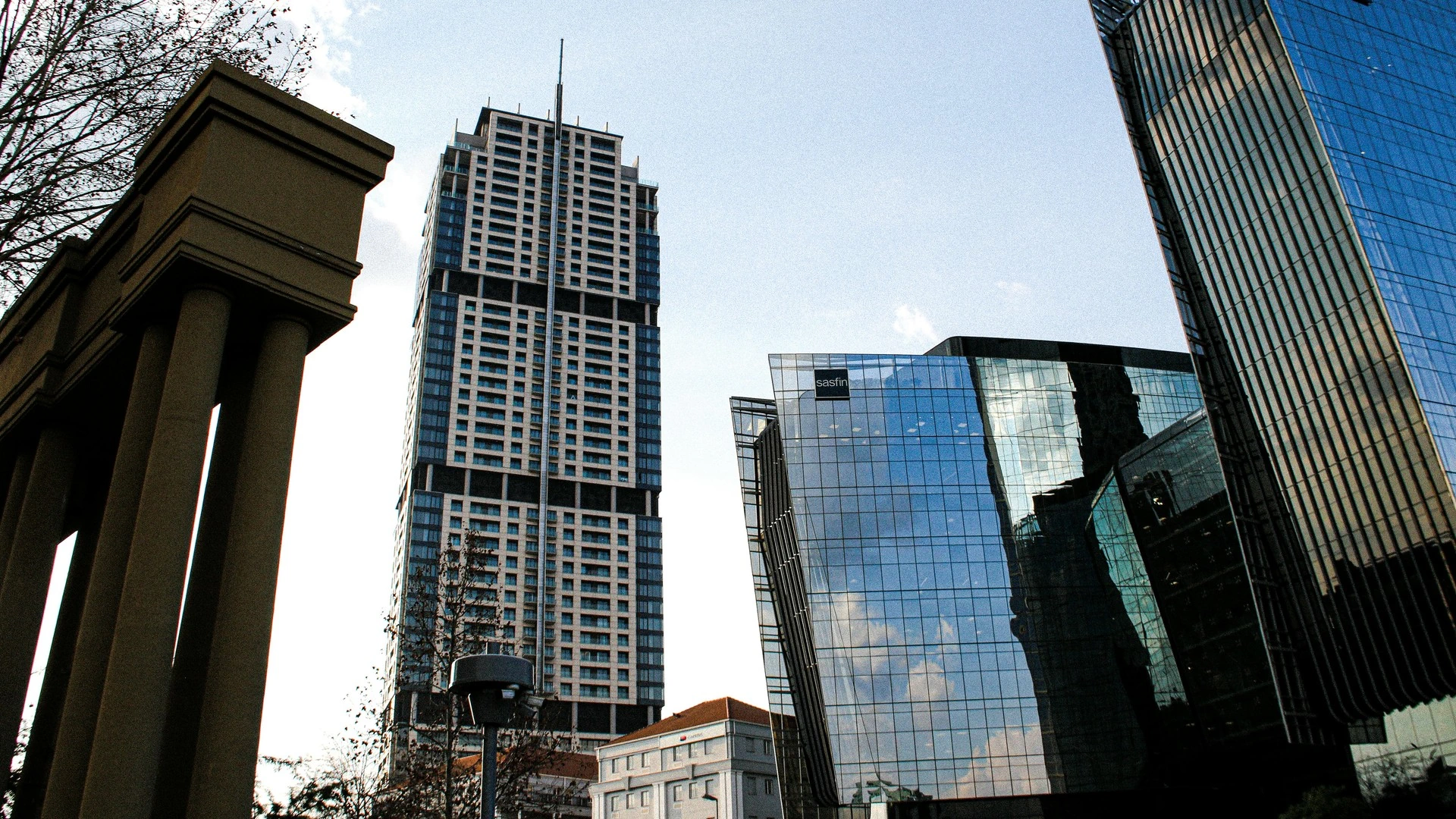
Built environment development in South Africa
What This Looks Like
In Practice.

Every engagement follows a consistent four-stage approach - tailored to your specific transaction framework and requirements, from inception to financial close.

01
Foundations & Governance

Your project needs a foundation before anything moves; governance, stakeholder alignment, risk profile, and a framework everyone has signed up to. We build that first, with integration as the governing principle from day one.

02
Transaction Development & Bankability

Your advisors are working in their own lanes. We connect them, structuring every workstream, mapping the interdependencies between them, and ensuring every input advances a single outcome.

03
Execution & Procurement Management

Your workstreams are moving at different speeds and the gaps are nobody’s problem. We make them ours, actively managing every interface and keeping procurement, compliance, and execution in lockstep across your full advisory landscape.

04
Financial Close

The finish line is in sight but conditions precedent are stacking up and funders need managing. We drive that final phase, pulling every workstream together until committed capital becomes the start of delivery.

Ready to start a conversation?

Working in one of these sectors?
Let's talk about what structured delivery looks like.

Whether you're at early-stage preparation or already navigating a complex advisory landscape, we'd like to understand your project and show you what an integration-led approach can do for your outcome.

Get In Touch

Tracking the ideas, developments, and conversations that shape the industries we work in.

South Africa Moves 80% of General Freight by Road. That Is Not a Market Choice. It Is a System Failure.

Stabilising bulk export corridors was the right place to start - but it cannot be where the reform story ends. General freight will never move efficiently on rail alone. What manufacturing, automotive and agri-processing supply chains need is a seamless multimodal network where road, rail and port operate as one integrated system, not as separate silos. Fixing this is not a rail problem. It is a network problem, and it demands a network solution.

South Africa’s Freight Reform: The Plans Are Done. Now Comes the Hard Part.

Reform is real - Operation Vulindlela, third-party access, the NRMP. The direction is right. But progress is not the same as execution. The Rail Bill must now deliver the legal architecture that turns intent into action, and private capital will not move without the governance structures to back it. The hard yards are not behind us. They are in front of us.

South Africa’s Draft National Rail Master Plan: A Turning Point for Freight

Rail once drove 4% of South Africa's GDP. Today it contributes less than 0.1%. The Draft National Rail Master Plan sets out to reverse that decline — through open access, infrastructure reform, and a R1.9 trillion investment framework. The decisions made in the next 12 to 24 months will shape this country's freight system for decades. Read it. Comment on it. Engage.

South Africa Moves 80% of General Freight by Road. That Is Not a Market Choice. It Is a System Failure.

Stabilising bulk export corridors was the right place to start - but it cannot be where the reform story ends. General freight will never move efficiently on rail alone. What manufacturing, automotive and agri-processing supply chains need is a seamless multimodal network where road, rail and port operate as one integrated system, not as separate silos. Fixing this is not a rail problem. It is a network problem, and it demands a network solution.

South Africa’s Freight Reform: The Plans Are Done. Now Comes the Hard Part.

Reform is real - Operation Vulindlela, third-party access, the NRMP. The direction is right. But progress is not the same as execution. The Rail Bill must now deliver the legal architecture that turns intent into action, and private capital will not move without the governance structures to back it. The hard yards are not behind us. They are in front of us.

South Africa’s Draft National Rail Master Plan: A Turning Point for Freight

Rail once drove 4% of South Africa's GDP. Today it contributes less than 0.1%. The Draft National Rail Master Plan sets out to reverse that decline — through open access, infrastructure reform, and a R1.9 trillion investment framework. The decisions made in the next 12 to 24 months will shape this country's freight system for decades. Read it. Comment on it. Engage.

Panellists discuss the progress made in rail reform and possible future actions

As South Africa’s freight system sits at a critical crossroads, with logistics costs estimated at between 11% and 12%, inefficiencies no longer just pose operational challenges, but create a direct constraint on economic growth.